Samsung expands preventive health features with personalized alerts, family data sharing and broader monitoring
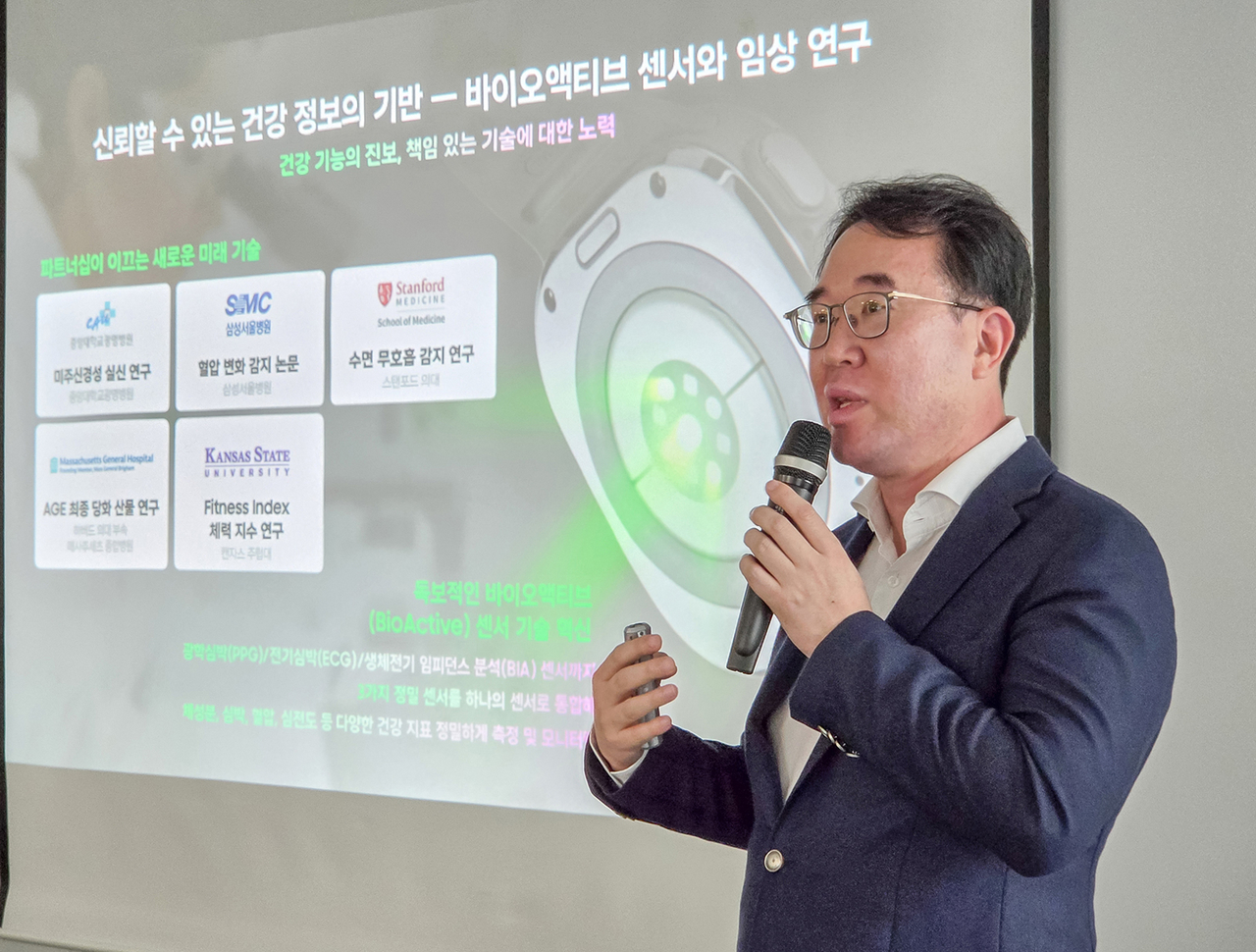
Samsung Electronics is expanding its heart-health services, combining Galaxy Watch sensors with the Samsung Health app to monitor blood pressure, electrocardiograms, irregular heart rhythms and broader indicators including sleep, physical activity, vascular stress and body composition.
The company unveiled the enhanced features at a media briefing in Seoul on Wednesday, ahead of World Heart Day on Sept. 29. Samsung said the aim is to help users detect subtle changes through continuous monitoring and act before they develop into more serious conditions.
“The combination of advanced Galaxy Watch sensors and Samsung Health’s analytical capabilities helps users prevent heart-health risks in everyday life,” said Choi Jong-min, head of Samsung’s Digital Health Team. “We will continue introducing preventive, smart healthcare services.”
The latest Galaxy Watch Ultra 2 and Galaxy Watch 9 models include a Heart Health Score that analyzes multiple health measures and provides personalized guidance. Users with elevated vascular-stress readings, for example, may be advised to reduce sodium and eat more whole grains and fresh foods.
A Vital Signs feature tracks five measures during sleep: heart rate, heart-rate variability, respiratory rate, skin temperature and blood oxygen saturation. The system alerts users when readings move significantly outside their personal baseline.
Samsung cited cases in which wearable alerts prompted users to seek medical attention. In Jordan, an irregular-heart-rhythm notification led to the early detection and treatment of atherosclerosis, the company said. In Brazil, repeated inconclusive ECG readings prompted a user to visit a hospital, helping avert a potential heart attack.
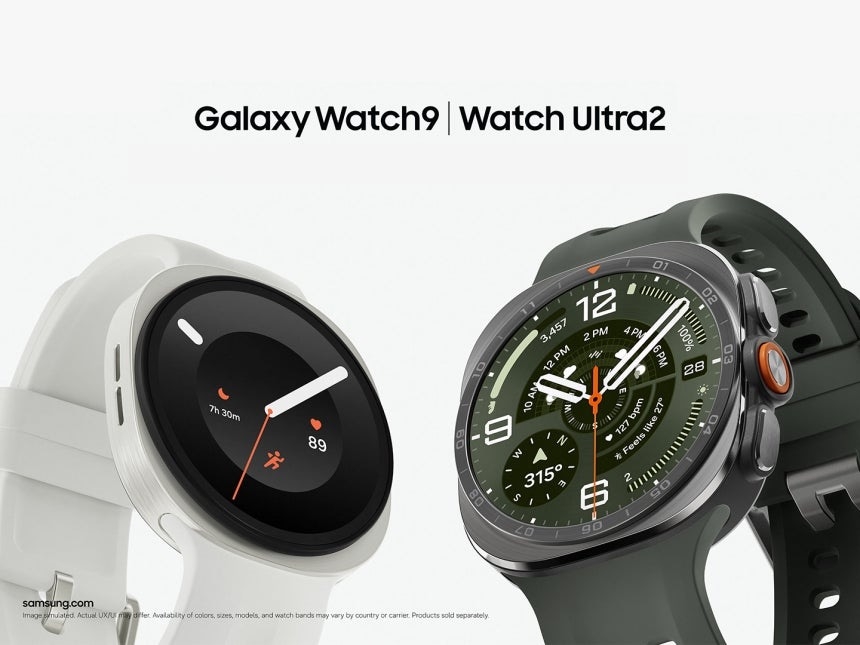
The company is also introducing Connected Care, which allows users to share selected health information with family members after adding profiles and linking Samsung accounts. Data such as blood pressure, heart rate, sleep, exercise, body composition, blood glucose, medication and vital signs can be shared with consent.
Samsung Health can also incorporate data from connected devices, including cuff-based blood-pressure monitors and other compatible products, Choi explained.
Samsung began applying optical heart-rate sensors to its mobile devices in 2014. It received South Korean regulatory approval for its blood-pressure and ECG applications in 2020, and later integrated optical heart-rate, ECG and bioelectrical impedance sensors into a single BioActive Sensor used in the Galaxy Watch 4.
Its irregular heart-rhythm notification feature received clearance from the US Food and Drug Administration and South Korea’s Ministry of Food and Drug Safety in 2023.
Many of Samsung’s newer health features rely on algorithms rather than additional sensors and are expected to expand to older Galaxy Watch models, including the Watch 8, Choi said.
Samsung is also researching noninvasive glucose monitoring through internal teams, overseas research partnerships and open-innovation projects, though it has not set a timetable for commercialization. The company is exploring genomic analysis and has invested in US DNA-sequencing biotech Element Bioscience, but there is currently no direct integration between the technology and Samsung Health, Choi said.
herim@heraldcorp.com